The Good Food Commitments are also championed by FoodWise Leeds – the independent Food Partnership for the city. Actioning the commitments will serve to promote local food businesses support for good food in Leeds.
The Good Food Commitments (GFC) are a list of actions that aim to improve access to healthier options and create a positive environment for all. The commitments have been developed by a steering group including cafe outlet managers to ensure that they are simple, easy to put into practice and do not impact on revenue.
Why the commitments are important
In 2019, Leeds City Council signed the Food Active, Local Authority Healthy Weight Declaration to show our commitment to supporting people to be a healthy weight. The declaration included the requirement to making healthier foods more accessible and limiting high-calorie, low-nutrient options across council facilities.
In 2022, the Leeds Food Strategy was launched including the objective to change our city environment to help make healthier food more available and appealing.
In 2025, all Leeds City Council managed cafes in leisure centres, parks and tourist attractions have agreed to implement the Good Food Commitments. We are now encouraging all food businesses in Leeds to consider adopting the Good Food Commitments to increase availability of healthier food options in the city.
Our commitments
The commitments include actions to look at the:
- food served
- practices undertaken
- environment provided
Read the full list of our commitments:
Food and drink offer
These commitments relate to food and drink offers.
Chocolate confectionary
1. Any chocolate bars sold will not exceed 210kcal.
Sweet confectionary
2. No sweets on sale.
Savoury snacks
3. All crisps sold will not exceed 175kcal per bag.
Sugar sweetened beverages
4. Only 30% of the overall cold drinks offer can be sugar sweetened beverages. Best practice 10% or no sugar-sweetened beverages (SSBs) sold.
Sweet Goods (baked or refrigerated)
5. 80% of cakes, cookies, brownies, traybakes and similar goods - are under 600 calories per portion.
Water access
6. All cafes offer water refills on request.
7. Water is offered at the lowest price point compared to any other cold drink.
Increasing fruit
8. Fresh fruit is provided as the lowest price menu item
Reducing fat
9. Semi skimmed milk is the the default milk used.
10. No pouring cream offered on standard menus (promotions may use on occasions).
11. Butter portions are used sparingly (such as a standard number per item and additional portions are only given on request).
12. Food must not be prepared with fat or oil which contains more than 5g of saturated fat per 100g.
13. Lower fat mayonnaise is used as standard.
Alcohol (where sold)
14. A wide range of non-alcohol versions of alcoholic drinks (wines, beers and ciders) are available.
Meeting food needs
15. Vegetarian, vegan, and gluten-free options are clearly marked; allergen information and cultural information is available.
Increasing vegetables
16. At least 20% of the pre-packed sandwiches, wraps or pittas offered include vegetables or salad. It is best practice to include salad or vegetables as a default, in all on-site made sandwiches, pittas or wraps.
17. Where salad or vegetables available as an accompaniment to main meals (a minimum of 60g salad or vegetables is available).
Milk alternatives
18. All outlets offer milk alternatives.
Wholegrains
19. 70% of pre-packed sandwiches provided will be available in wholemeal bread. Food businesses should increase availability of wholegrains - this could include breads, wraps, pittas, pasta and rice.
20. Children’s sandwiches served in wholemeal only.
Healthier food choices
21. A range of food options are available with less than 600kcal (minimum of 6).
Offering baby food
22. Key points:
- the Nutrient and Promotion Profile Model (NPPM) will be used to assess any baby products offered
- vegetable based food pouches only
- if providing, only provide commercial baby food products that are labelled ‘suitable from 6 months’
- snacks (‘finger foods’) should not be marketed for use under 12 months of age, and if provided, should be labelled as suitable from 12 months by the food outlet
- food businesses should not sell drinks marketed as baby juices or drinks
Children’s lunch boxes
23. No chocolate, biscuits or baked goods available in children’s lunch boxes. Suggested Items for children’s lunch boxes include:
- sandwich in wholemeal bread
- fruit or vegetable item
- yoghurt or Jelly (no bigger than 150g)
- drink (water, milk, sugar free juice no more than 150ml)
Ice-creams and lollies
24. A variety of ice-creams and lollies provided with smaller sized and fruit based varieties available at the lowest price.
Food practices
These commitments relate to food practices.
Offering alcohol
25. Food business that sell alcohol operate a Challenge 25 policy.
26. Smallest standard drinks are available, such as 125ml wine by the glass or smallest quantity as a bottle (187ml).
27. Large measures (above 25ml) are not provided as standard.
Reducing sugar
28. Sugar sachets are only available on request or via a condiments table and not placed on saucers.
29. All regular syrups used are low sugar or sugar free (some seasonal syrups unavailable as low sugar).
30. Syrup is regulated to one pump per drink.
31. Milkshakes only served in 220ml or less.
Reducing salt
32. No salt shakers on tables or counters, salt only available on request or on condiments table.
Using fat
33. All chips served are thick cut and cooked in polyunsaturated for monounsaturated fat or oil (for example sun-flower, corn or rapeseed oil).
34. No double frying is undertaken.
35. Oil is properly maintained.
Reducing portion sizes
36. Smaller portions for children are available and promoted (half the size of the standard portion size)
37. Meals on offer include a range of options including smaller portions of adult meals, such as jacket potatoes and pasta dishes.
Food sourcing
38. No fish from ‘fish to avoid’ list within the Good Fish Guide.
39. Eggs are from free range hens.
40. All meat is from farms which satisfy UK animal welfare standards.
41. Seasonality is factored into menu planning and promotions.
Increasing fruit
42. Fruit is available as the lowest cost item.
43. Fruit displayed in a prominent position.
Managing food waste
44. Recycling arrangements are in place (cardboard, metals, glass, plastics).
45. No plastic straws on offer.
46. Only wooden takeaway cutlery used (or recycling alternative).
47. Food is waste is minimised by a range of strategies including price reductions and supply of food to charities.
Food environment
These commitments relate to food environments:
Links to other city initiatives
48. Food business signed up to child friendly, age friendly, dementia friendly and breast feeding friendly.
Promotions
49. All food businesses will support the Just One More campaign on an annual basis.
50. All food businesses will consider their promotions to ensure a balanced approach that does not focus on high in fat, salt or sugar (HFSS) food options only.
Healthier menu choices
50. Healthier options are classified as under 600Kcal and are clearly marked.
Who can get involved
The Good Food Commitments are applicable to all food businesses that have a food hygiene rating score of three or above. This includes all types of catering establishments including restaurants, cafes, takeaways, leisure centres, sandwich bars, pubs, bars, and canteens.
We are asking food businesses in Leeds to voluntarily implement the Good Food Commitments within their business. This will require very little work, but will make a big difference to the food environment and the health of people living in Leeds.
Benefits to your business
Benefits to businesses are:
- increased publicity and awareness
- increased number of customers visiting the business
- potential to increase profits
- ability to contribute to the health and wellbeing of people in Leeds
- potential to attract more customers who are looking for healthier options
Businesses who agree to action the commitments will receive “Good Food Commitments” window stickers:
You will also get listed on our interactive map as a registered business.
Businesses that support the GFC
Food businesses in Leeds currently registered to support the Good Food Commitments (GFC) are displayed on an interactive map.
Click on a blue dot to find the name, address, date registered and website of each venue.
View the Leeds GFC businessesTraining
We have created a training video that includes more detail to help businesses put the Good Food Commitments into practice. This includes information on the importance of the initiative and other practices that can help to support healthy eating for different types of food businesses.
Watch the Good Food Commitments training for businesses video on YouTube.
Healthier catering suggestions
Healthier catering is becoming more important to customers. These suggestions below could even save you money!
General advice
Portion size
Gradual, small changes in portion sizes will reduce the overall amount of calories consumed by the customer, as well as saving you money.
Reduce salt
Try adding a little less salt to foods each week - customers will not notice a difference if you do this gradually. Consider removing salt-shakers off the tables and provide it only on request and use a salt-shaker with fewer holes.
Fats and frying
Switch to unsaturated cooking oils like sunflower, rapeseed and olive oil. Quick fry using a small amount. Make sure to heat oil to 175°C (350F) before frying to ensure foods absorb less fat. Offer steamed, boiled or grilled dishes as alternatives to fried.
Increase fruits, vegetables and pulses
Add extra fruits, vegetables, beans and pulses to as many dishes as possible.
Highlight healthier options on your menu
Place healthier items at the top of the menu or written in a different colour so they are easy to find.
Guidance for businesses
The following fact sheets offer guidance for food businesses on providing and promoting healthier food and drink:
South Asian
Fats and frying
Foods high in fat contain lots of calories, and overconsumption of high fat foods can lead to weight gain. This could lead to type 2 diabetes, heart disease and some cancers. Reducing saturated fat intake can lower blood cholesterol and reduce the risk of overweight and obesity.
- For butter chicken and chicken korma dishes, use sunflower or rapeseed oil to cook the dish and if essential, just use a small amount of butter or ghee at the end, as these are high in saturated fat.
- Try to use less oil in base curry sauces and make sure to drain off any excess fat. You should aim to have no oily layer floating at the top.
- Use plain, low fat yoghurt in chutneys, chaat dishes and marinades. Low fat does not cost more than full fat products and this is a simple way to cut down on saturated fat
- Poppadoms are high in fat – use a monounsaturated oil instead like rapeseed, olive oil or sunflower oil and drain thoroughly before serving. Grill or bake where possible.
- Make sure the oil is heated to the correct temperature of 175°C before frying items like pakoras, onion bhajis or chips. This will give you crispier, more appealing foods that absorb less fat.
Salt and sugar
Too much salt intake can lead to high blood pressure and an increased risk of stroke and heart disease. Consuming too much sugar can contribute excess calories, which in turn increases the risk of heart disease, type 2 diabetes and some cancers. It is also linked to tooth decay.
- Reduce salt and salty ingredients in your dishes over time when frying your spice blend for the base dishes, flavoured rice, preparing your dishes for serving and making the dough for naan breads.
- Consider removing salt-shakers from tables and counters and only provide to customers on request.
- Check the label and choose pre-made pickles, sauces and other condiments that are lower in salt, sugar, fat and saturated fat.
- Offer healthier drinks as the default option such as water and low calorie or no added sugar drinks, rather than sugary drinks. Place healthier drinks at eye level.
- Offer desserts that are lower in fat, sugar or smaller portions. Replace with fruit options such as fruit salad without added sugar or syrup.
Fruits, vegetables and fibre
These foods are good sources of vitamins, minerals, fibre and low in calories. Eating plenty of fruits and vegetables will help to promote digestive health and can prevent against heart disease, stroke and some cancers.
- Add more vegetables and pulses to as many dishes as possible (while not adding more fat, sugar or salt). They are cheaper than meat and fish and will increase the fibre content of dishes.
- Serve starters with a plain side salad either without dressings high in fat, sugar or salt or provide a very small portion of dressing.
- Try adding steamed vegetables to boiled rice to make it more colourful like peas, sweetcorn, carrots and green beans with no added salt or oil.
- Offer wholemeal brown rice and chapatis as the default option on your menu.
- Offer fruit on your dessert menu or as part of a meal deal. For example, mango with kulfi or fruit salads with orange, mango or pineapple. Fruit can be fresh, tinned in fruit juice (not syrup), dried or frozen.
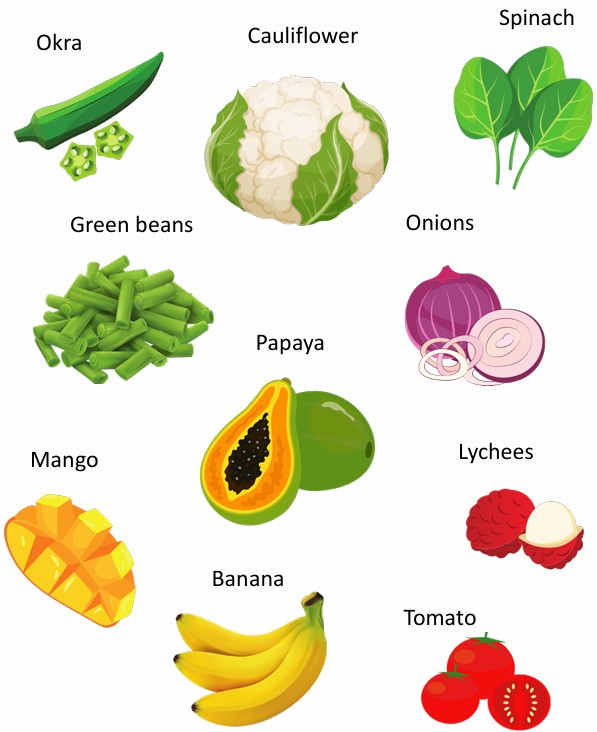
South Asian fruits and vegetables
Add extra fruits and vegetables into soups, starters, main dishes, side dishes and rice dishes where possible to bulk out meals. Vegetables are low in calories and contain lots of fibre which can help us to feel full.
South Asian healthy meal swaps
| Less healthy | Healthier alternative |
|---|---|
| Curries with cheese or cream | Low fat creamy curry with lentils and vegetables, omit the cheese |
| Coconut soup | Vegetable soups, reduced fat coconut milk soups, dal |
| Deep fried poppadom, pakoras, samosa | Baked or grilled poppadom (with a little vegetable oil brushed on top) |
| Deep fried chicken wing | Tandoor chicken (marinated in low fat yoghurt or cream and cooked in tandoor oven) |
| Salad with high fat dressing | Mixed salads with dressing served separately (on request) or deshi salad with citrus dressing |
| Deep fried lamb chops | Lamb chops with visible fat cut off, grilled or BBQ |
| Puri (prawn/chicken | Grilled or steamed king prawns with lean mince, banked in tandoor oven, grilled or BBW |
Chinese
Fats and frying
Foods high in fat contain lots of calories, and overconsumption of high fat foods can lead to weight gain. This could lead to type 2 diabetes, heart disease and some cancers. Reducing saturated fat intake can lower blood cholesterol and reduce the risk of overweight and obesity.
- Try to limit the number of fried foods on your menu. Offer steamed, boiled or grilled dishes instead. Offer starters like grilled dumplings, vegetable soups and steamed fish. This will save you money by using less oil and give customers more choice.
- For healthier chips, use thick straight-cut chips (at least 14mm) and fry at the correct temperature (165°C if you have a high efficiency fryer or 175°C if you have a traditional fryer).
- Avoid frying foods more than once. Par-frying, double or triple cooking and reheating food in oil increases the fat content of the food. If you need to pre-prepare, try par-boiling meat and chicken first and flash-frying to finish it off.
- Highlight on your menus and train staff to tell customers they can ask for food to be grilled, boiled or steamed instead of fried. Also consider having these cooking methods as the default option.
- Remove the visible fat from pork, beef and lamb and the skin from chicken wherever possible.
Salt and sugar
Too much salt intake can lead to high blood pressure and an increased risk of stroke and heart disease. Consuming too much sugar can contribute to excess calories, which in turn increases the risk of heart disease, type 3 diabetes and some cancers. It is also linked to tooth decay.
- Reduce salt and salty ingredients in your dishes over time when cooking vegetables, rice and noodles. Customers will not notice if you do this gradually. Add a little less salt each week until you can avoid it altogether.
- Remove salty ingredients such as MSG, soy sauce, hoisin sauce, stock or ketchup in your dishes over time. Instead, use herbs and spices and other ingredients like garlic and ginger to add flavour. Be careful not to add sugar instead.
- Check the label and choose ingredients that are lower in salt and sugar such as soy sauce, stock and ketchup.
- Offer healthier drinks as the default option such as water and low calorie or no added sugar drinks, rather than sugary drinks. Place healthier drinks at eye level.
- Offer desserts that are lower in fat, sugar and smaller portions. Replace with fruit options such as fruit salad without added sugar or syrup.
Fruits, vegetables and fibre
These foods are good sources of vitamins, minerals, fibre and low in calories. Eating plenty of fruits and vegetables will help to promote digestive health and can prevent against heart disease, stroke and some cancers.
- Add more vegetables and pulses to as many dishes as possible (while not adding more fat, sugar or salt). They are cheaper than meat and fish and will increase the fibre content of dishes.
- Encourage customers to buy a side order of vegetables, or a have a ‘special’ vegetable dish of the week.
- Try adding steamed vegetables to boiled rice to make it more colourful like peas, sweetcorn, carrots and green beans with no added salt or oil.
- Offer wholemeal brown rice and wholewheat noodles as an option on your menu.
- Offer fruit on your dessert menu or part of a meal deal. Fruit can be fresh, tinned in fruit juice (not syrup), dried or frozen.
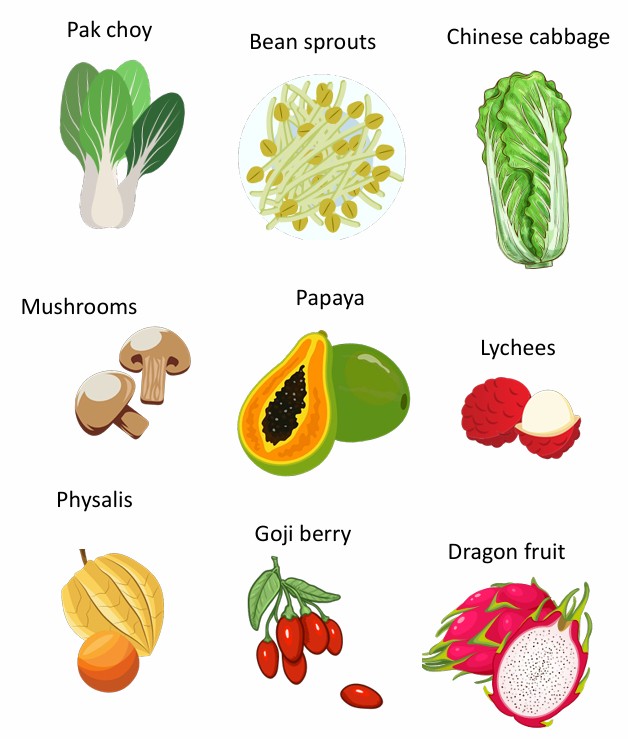
Chinese fruits and vegetables
Add extra fruits and vegetables into soups, starters, main dishes, sided dishes and rice dishes where possible. Vegetables are low in calories and contain lots of fibre which can help us to feel full.
Chinese healthy meal swaps
| Less healthy | Healthier alternative |
|---|---|
| Battered and deep fried sweet and sour pork/chicken/prawns | Chop suey, vegetable stir-fries |
| Coconut-based curries | Curries with reduced fat coconut milk |
| Fried fish and shellfish | Steamed or boiled fish |
| Fried rice and crispy noodles | Boiled rice and noodles |
| Salted dishes like salted chilli chicken and beef | Vegetable-based dishes with reduced salt |
| Thin cut chips/fries | Thick cut chunky chips |
| Dishes with a high salt/sugar sauce like plum, hoi sin, black bean, sweet and sour, soy sauce, fish sauce | Steamed dumplings |
Italian
Consider gradually reducing the size of your pizzas to a level that is acceptable to customers. If customers are tending to leave food on their plates, this is a clear sign that the portion sizes are too large. This would also help to reduce cost and food waste. You could also offer half portions of pizza with a salad.
- If you make your own garlic bread, try using a little less butter or brush with olive oil instead. Use thinner slices of bread.
- Try adding less salt to pizza dough and tomato sauces customers will not notice if you do this gradually. Flavour sauces with pepper, herbs, garlic and chilli.
- Offer wholewheat pizza and pasta as an alternative to the standard. Try to include a wholewheat option on the menu once a week.
- Offer desserts lower in fat and sugar and smaller portions. Replace with fruit options without sugar or syrup.
- Make sure special promotions, meal deals and children's menus all include healthier options with less salt, saturated fat sugar and calories.
Caribbean
For Jerk Chicken dishes, grill the chicken in a little unsaturated vegetable oil instead of frying. Chicken is not the only thing that can accompany jerk - why not offer jerk carrots as a healthy vegetable side dish?
Pack as many fruits and vegetables into dishes as you can try mango, pineapple and papaya in salads.
Swap the beef for beans to make healthier patties.
Bake plantain instead of frying to use less oil just as tasty.
Use wholegrain rice and wholemeal flour to make patties, wraps and roti.
Fish and chip shops
Fish and chip shops have long been a sign of British culture, but these foods can be high in fat and salt which can lead to weight gain. This in turn can lead to type 2 diabetes, heart disease and some cancers. Simple and small changes can make our signature dish healthier.
- Consider reducing portion sizes across your menu and ask staff to keep to these portion sizes to provide consistency for your customers.
- Swap to lower sugar, fat and salt versions of sauces and condiments for example ketchup, mayonnaise, tartare sauce.
- Offer healthier drinks as the default option this can include water, lower fat milks, low calorie or no added sugar drinks rather than sugary drinks.
- Do not add salt to the batter mix. If you buy the batter mix, check the ingredients and try to choose one that does not contain salt
- Use plain, uncoated, medium or thick straight-cut chips, as they absorb less fat, you use less oil and it’s healthier for customers.
- Try lightly battering your fish or use a Tempura batter as a healthier option. Fish cooked in bread crumbs is healthier than in batter as it absorbs less fat; this is also a cheaper option.
Look after your oil
Follow these tips to keep your oil fresh for longer, saving you money.
- Try to change your oil before it foams, froths or smokes. It will also change colour and smell rancid when you heat it which will affect the flavour of the chips.
- Do not heat oil above 175°C.
- Dry fresh chips for as long as possible after soaking.
- Sieve the oil every time you fry a batch and throw the scraps away.
- Filter your oil often ideally once a day.
Sandwich shops
Use low or reduced fat spread, ideally made from unsaturated vegetable oils such as sunflower, rapeseed and olive oils. These spread more easily than butter and are lower in fat, especially saturated fat.
Use wholegrain bread where possible, or a 50/50 mix of wheat and wholewheat.
Try making sandwiches without any spread, especially if the filling is moist. Or let customers choose if they want spread. By using less spread, you will save time on preparation and money!
Choose reduced-fat hard cheese or a cheese naturally lower in fat, use thinly sliced cheese or grated cheese grated cheese will add volume to sandwiches without using much.
Use less mayonnaise and salad cream in sandwiches and switch to a lower fat and salt mayonnaise.
Use more plant-based proteins in your sandwiches, such as chickpeas for hummus or smashed chickpea, onion and pickle.
Promote healthier sandwich options, snacks and drinks with meal deals this could give you a unique selling point.
Contact us
For more information or to register your interest in signing up to the commitments, get in touch with the Leeds Food Strategy team: